One of the most important decisions in international logistics is to select the right shipping method. Cargo freight international shipping businesses and individuals often need to balance the speed of delivery, cost of transportation, size of shipment, and reliability before they can choose the most suitable option. The two most common ways to ship internationally are by air freight and sea freight.
Did You Know? According to the International Air Transport Association (IATA), air cargo transports goods representing over one-third of global trade value, despite accounting for only a small percentage of total cargo volume worldwide.
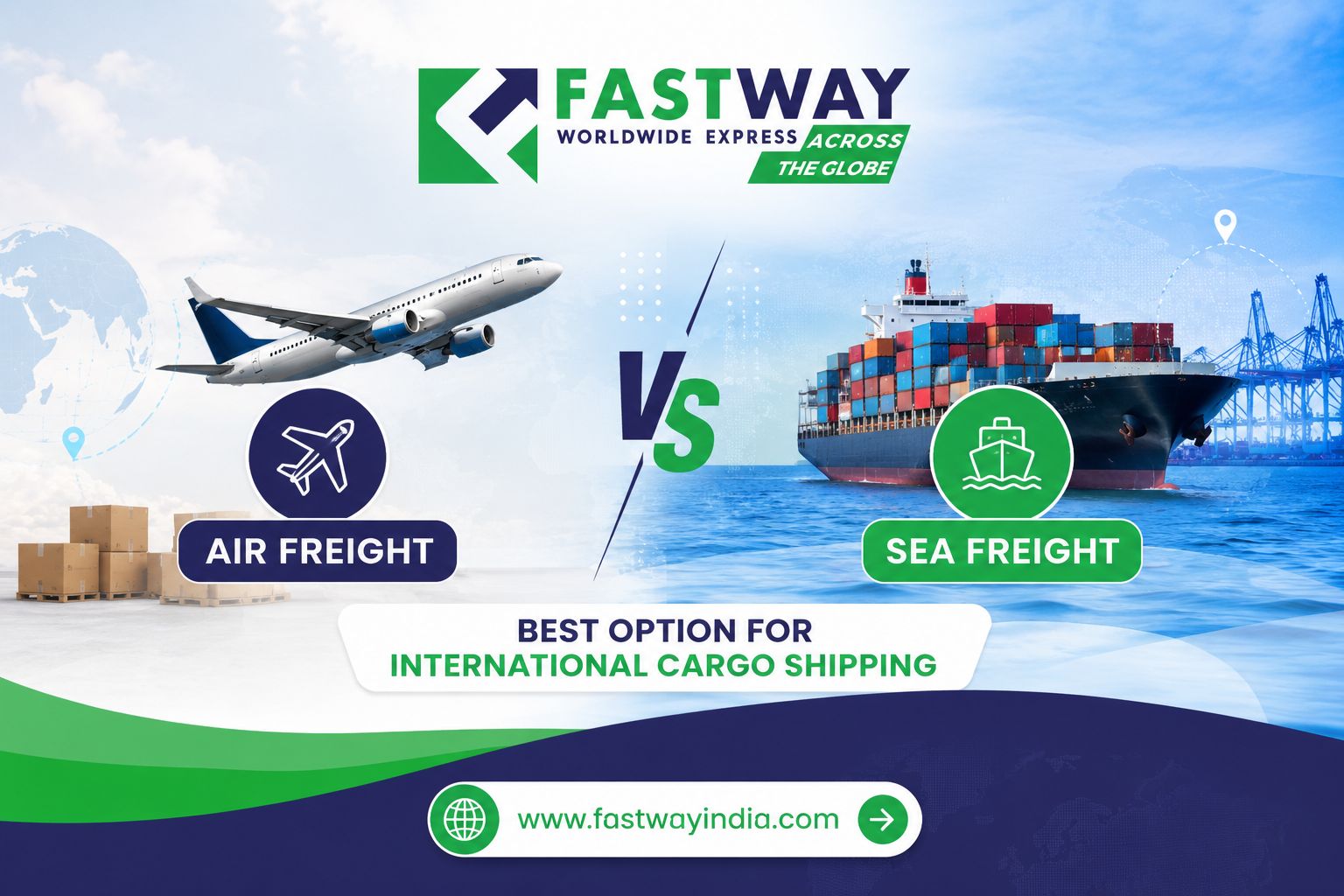
The type of cargo you are shipping will determine which mode of transport is best suited for your needs. Air freight is usually chosen for urgent and high-value shipments, while sea freight is more economical for large and bulky cargo. Understanding how these shipping methods operate assists clients in making wiser logistics choices and preventing avoidable shipping expenses. Fastway Worldwide Express coordinates international shipments so customers can ship cargo all around the world more easily.
Key Takeaways
- Air freight is perfect for urgent and high-value shipments.
- Sea freight is more economical for large and heavy freight.
- Transportation decisions depend on size of shipment and timing of delivery.
- We provide FCL and LCL options for sea freight.
- Professional logistics coordination can enhance the efficiency of international shipping.
Understanding the Pillars of International Shipping
The foundation of global trade is based on two systems: air and ocean. Both move goods across borders, but they do so in very different ways.
1. Air Freight: Speed and Precision
Air transport is the benchmark for valuable and time sensitive cargo. Transit times are typically one to five days. It’s the ideal option for emergency inventory replenishment and for goods that can’t sustain the “lead time tax” of ocean transit.
For businesses requiring air freight services in India, this mode of transport offers a competitive advantage like no other in meeting urgent market demands. Advantages are:
- Minimal Handling: Fewer touchpoints reduce the risk of damage, making it perfect for fragile items.
- Security: Airports operate under stringent safety protocols, offering a higher degree of protection for precious or sensitive goods.
- Lean Inventory: Faster transit times mean less capital is tied up in goods during transport, allowing for just-in-time inventory management.
However, air freight is premium-priced. Costs are calculated based on actual or volumetric weight, which can make it cost-prohibitive for large, bulky shipments. Additionally, airlines enforce strict regulations regarding hazardous materials, batteries, and certain chemicals.
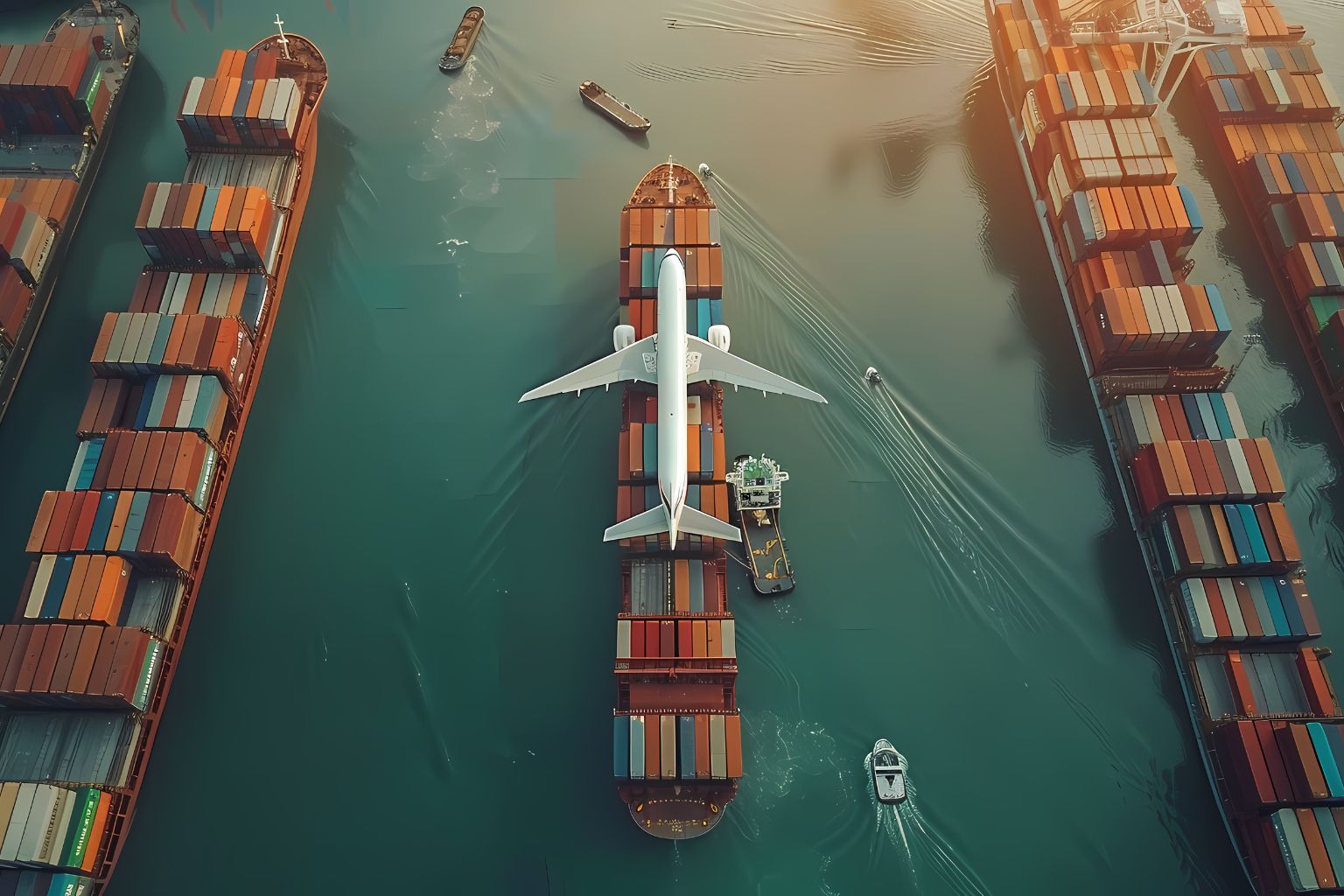
2. Sea Freight: The Engine of Global Commerce
For the vast majority of international trade, sea freight is the main mode of transport, due to its huge scalability and cost-effectiveness. It is intended for use with heavy industrial equipment, bulk raw materials and large consumer goods.
Our sea freight services offer two primary operational models:
- Full Container Load (FCL): Ideal for large shipments where you occupy an entire container, providing maximum security and exclusivity.
- Less than Container Load (LCL): An efficient, budget-friendly option for smaller shipments that don’t require a full container, allowing you to share space and costs with other shippers.
Sea freight, although slower in transit time (20 to 60 days), provides the consistency necessary for long-term production planning and large-scale stock replenishment.
The Hybrid Advantage
The air vs. sea choice is often an oversimplification in today’s dynamic market. “Hybrid” or multimodal transportation solutions are used by many modern supply chains. This is a strategic balance of using sea freight for most of the journey and then switching to air or express ground for the last leg of the regional delivery.
This approach delivers the cost savings of ocean transit with the needed agility to respond to market spikes. Hybrid models provide supply chain resilience allowing you to ramp up operations without sacrificing budget control or speed of delivery.
How to Decide Which Shipping Option Is Better
Compare your needs to the following criteria to find the best path for your particular cargo:
- Cargo Volume: If your shipment volume exceeds 2 cubic meters (CBM), sea freight typically becomes the more economical choice.
- Delivery Urgency: Ask yourself: what is the financial impact of a two-week delay? If the answer is significant, air freight is your best insurance.
- Total Landed Cost: Don’t look at shipping rates in isolation. Factor in inventory holding costs and potential lost-sale revenue. Sometimes, a higher shipping fee via air is offset by higher inventory turnover.
The Role of Professional Logistics
International shipping is seldom just about getting a container from A to B. It involves complex customs compliance, strict documentation and the need to deal with diverse international regulations.
Working with professional global courier services is about making sure your documentation is right, from commercial invoices to packing lists to certificates of origin. The number one cause of border delays and unexpected fines is wrong documentation. Whether you are sending a large commercial export or require a specialized India to Australia courier service, having an expert partner to handle tracking, coordination and customs clearance will convert an overwhelming process into a seamless operation.
Choose the Right Shipping Method for Better Cargo Management
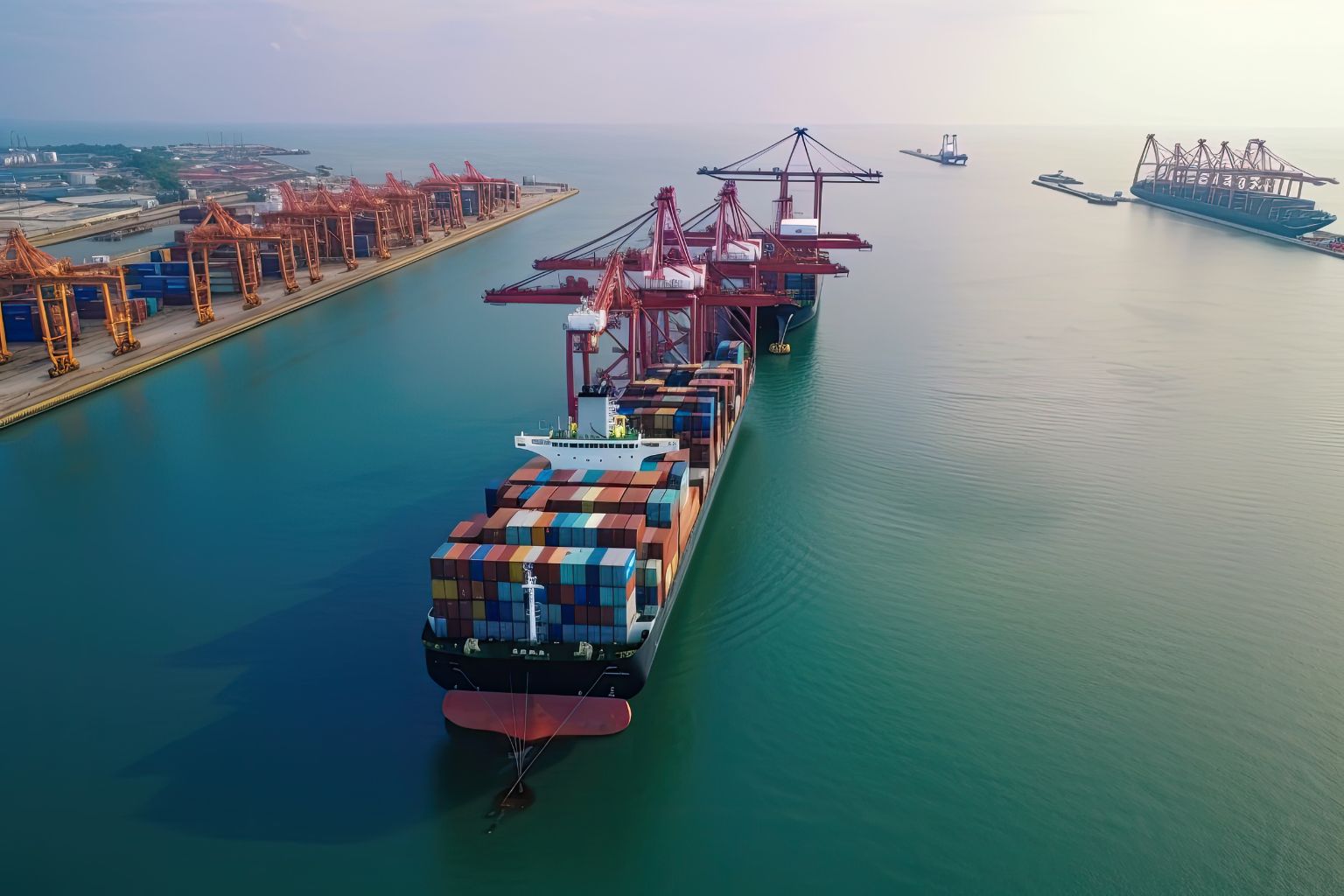
Success in global shipping is not about choosing the “best” mode, but rather the right mode for the specific shipment at hand. You can create a strong logistics strategy that supports your business objectives with air freight for speed, sea freight for volume, and hybrid solutions for flexibility.
Fastway Worldwide Express wants to make this simple for you. Thanks to our expertise and coordination, your global logistics operations will run efficiently, compliantly and cost-effectively.
FAQs
1. Which is faster: air freight or sea freight?
Air freight typically delivers within 1 to 5 days, while sea freight takes 20 to 60+ days depending on the route.
2. Which shipping method is more cost-effective?
Sea freight is significantly more economical for heavy, bulky, or high-volume cargo.
3. What types of goods are best suited for air freight?
Electronics, pharmaceuticals, fashion items, and high-value perishables thrive on air routes.
4. What is the difference between FCL and LCL shipping?
FCL utilizes a private, full container for your goods, while LCL allows you to share container space, lowering the cost for smaller shipments.
5. How do businesses choose the right method?
It involves analyzing the balance between cargo volume, the financial urgency of the delivery, and your total transportation budget.