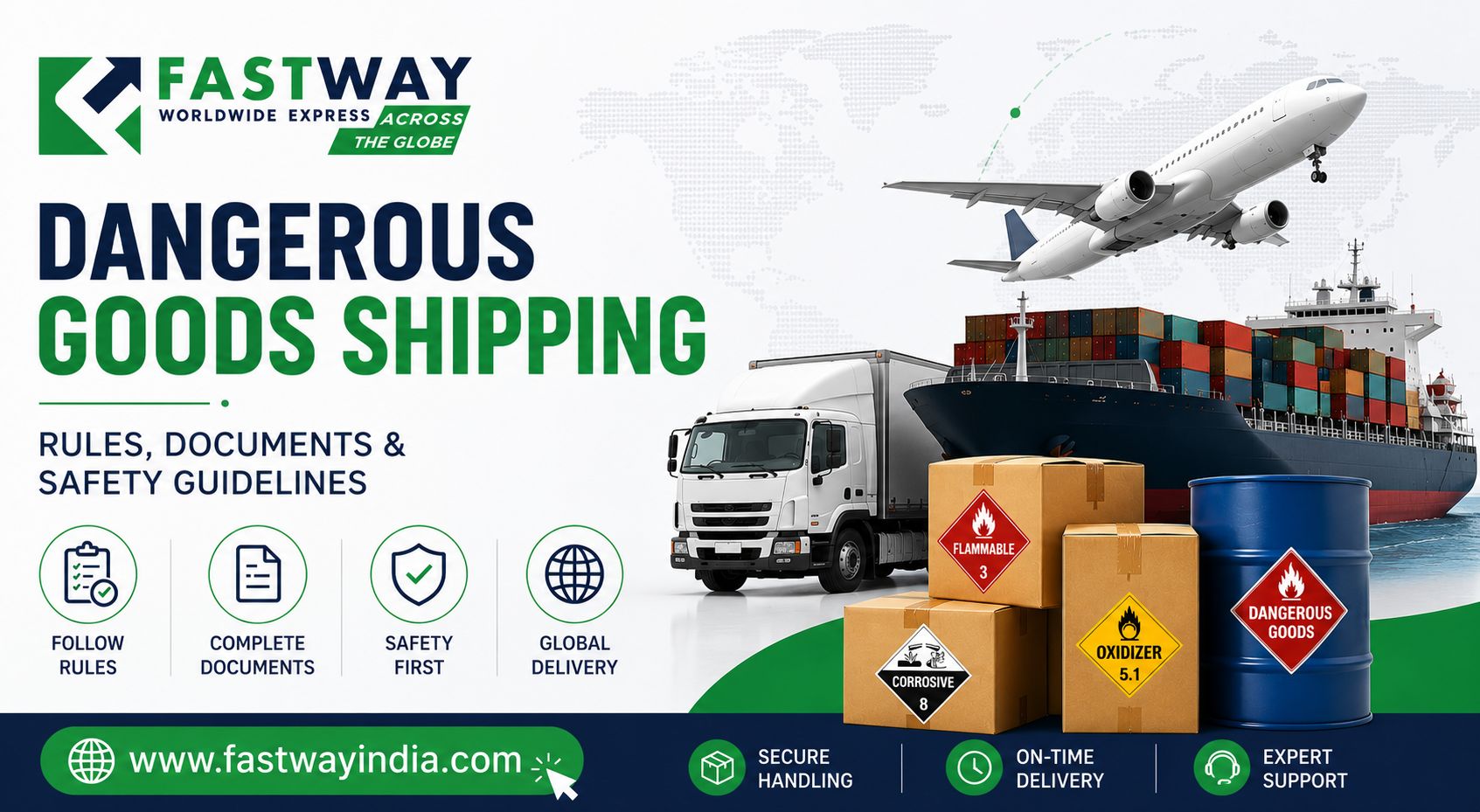
Transporting hazardous materials across international borders requires careful planning, rigorous documentation, and adherence to international safety regulations. Whether the shipment is chemicals, batteries, flammable liquids, or industrial materials, dangerous goods shipping needs to be handled in a specialized way to minimize risks during transportation.
Did You Know? According to the International Maritime Organization (IMO), over 200 million containers move through global shipping networks annually, making strict dangerous goods regulations critical for transport safety and environmental protection.
Knowing the shipping process is essential for businesses and individuals to avoid delays, penalties, or refusal of shipment. International safety authorities have established strict regulations for the packaging, labeling, and handling of cargo to ensure the protection of transport crews, customs officials, and the environment. Fastway Worldwide Express helps customers with international shipping coordination and documentation assistance to simplify regulated cargo transportation.
Key Takeaways
- Transportation of dangerous goods is subject to strict international compliance.
- IATA regulates air freight while IMDG regulates sea freight.
- Clearance through Customs needs proper documentation.
- UN-certified packaging ensures safe shipping.
- Correct labeling helps prevent transportation delays and risks.
Understanding the essential requirements for dangerous goods in shipping
Dangerous goods in shipping are substances that could pose serious risk to health, safety, property, or the environment. Since they are volatile, a global 9-class system controls them and details specific packaging, labeling, and handling procedures.
The 9 Hazard Classes
Accurate classification is mandatory to avoid customs penalties, transportation refusal, or catastrophic incidents:
| Class | Hazard Category | Typical Examples |
| 1 | Explosives | Ammunition, fireworks, flares |
| 2 | Gases | Aerosols, compressed gas cylinders |
| 3 | Flammable Liquids | Petrol, solvents, paints |
| 4 | Flammable Solids | Matches, metal powders |
| 5 | Oxidizers & Peroxides | Fertilizers, hydrogen peroxide |
| 6 | Toxic & Infectious | Pesticides, clinical samples |
| 7 | Radioactive | Medical isotopes, uranium |
| 8 | Corrosives | Acids, battery fluid |
| 9 | Miscellaneous | Lithium batteries, dry ice |
Compliance & Operations
Following these classifications will set the operational parameters for your supply chain.
- Packaging: Must meet specific integrity standards to prevent leaks or reactions.
- Labeling: Requires internationally recognized hazard symbols for visibility.
- Handling: Dictates specialized storage, loading, and transit temperature requirements.
- Documentation: Failure to declare these items correctly leads to severe port delays and heavy financial penalties.
Always double-check the specific Dangerous Goods Regulations (DGR) for your chosen mode of transport, be it air, sea, or road, as requirements can vary greatly by transit type.
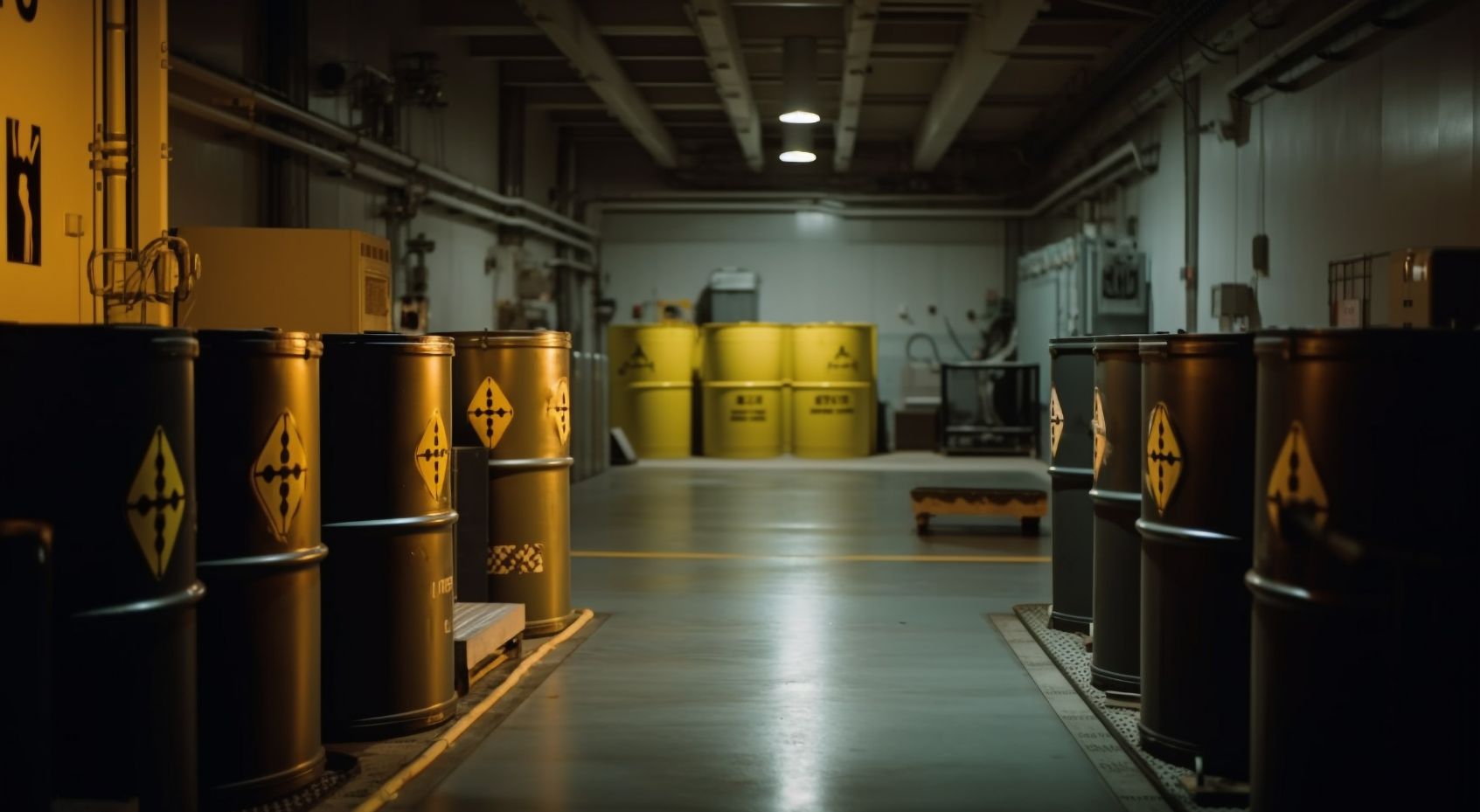
Global Regulatory Framework for Dangerous Goods
The transport of dangerous substances is strictly controlled to meet international and regional standards. Compliance is crucial to keeping safety and avoiding big disruptions in logistics.
International Transport Standards
- Air Freight (IATA DGR): Governs all air cargo. Defines strict packaging, quantity limits, labeling, and documentation.
- Sea Freight (IMDG Code): Regulates marine cargo handling, container safety, pollution prevention, and emergency protocols.
Indian Regulatory Compliance
Shipments originating from India must concurrently adhere to:
- Directorate General of Shipping: Responsible for maritime safety and procedural compliance.
- Merchant Shipping Rules: Governs the legal framework for vessel-based cargo transport.
- DGFT Export Policies: Controls the export of sensitive or regulated materials.
Operational Tip: Always cross-check international standards (IATA/IMDG) with local Indian export rules. Any non-compliance at any level risks immediate cargo seizure, heavy fines, and operational delays.
Essential Documents Required for Dangerous Goods Shipping
- Material Safety Data Sheet (MSDS/SDS): Provides chemical composition, hazard identification, and emergency handling guidance; supplied by the manufacturer.
- Dangerous Goods Declaration (DGD): A legal document required to confirm the goods are properly classified, packed, labeled, and in compliance with applicable regulations.
- Export Documentation: Includes the shipping bill, commercial invoice, and packing list for customs verification of shipment details.
- Transport Document (AWB/BOL): Contains shipment data, consignee details, routing, and emergency contacts to ensure compliant transit.
Accurate documentation is necessary. Any errors or omissions will result in immediate rejection of the shipment, delays at the port, or legal penalties.
Packaging, Marking, and Labeling Requirements
All shipping hazardous materials must be identified and packaged in accordance with stringent requirements to ensure safe transport:
- UN-Certified Packaging: Materials must use UN-approved containers, such as drums, jerricans, or leak-resistant cartons, capable of withstanding pressure, leakage, physical impact, and temperature fluctuation.
- Packaging Groups: Shipments are categorized by risk level to determine the required integrity standard:
- Group I: High danger
- Group II: Medium danger
- Group III: Low danger
3. Mandatory Labeling: Every package must clearly display specific hazard identifiers to alert transport crews.
- Hazard Diamonds: Internationally recognized risk symbols.
- UN Numbers: Unique identification codes for the substance.
- Proper Shipping Names: Accurate chemical or technical descriptions.
- Handling Instructions: Explicit safety and orientation directives.
Failure to use certified packaging or inaccurate labeling will result in immediate shipment rejection, customs penalties, and potential safety hazards during transit.
Comparing Transport Methods for Hazardous Materials
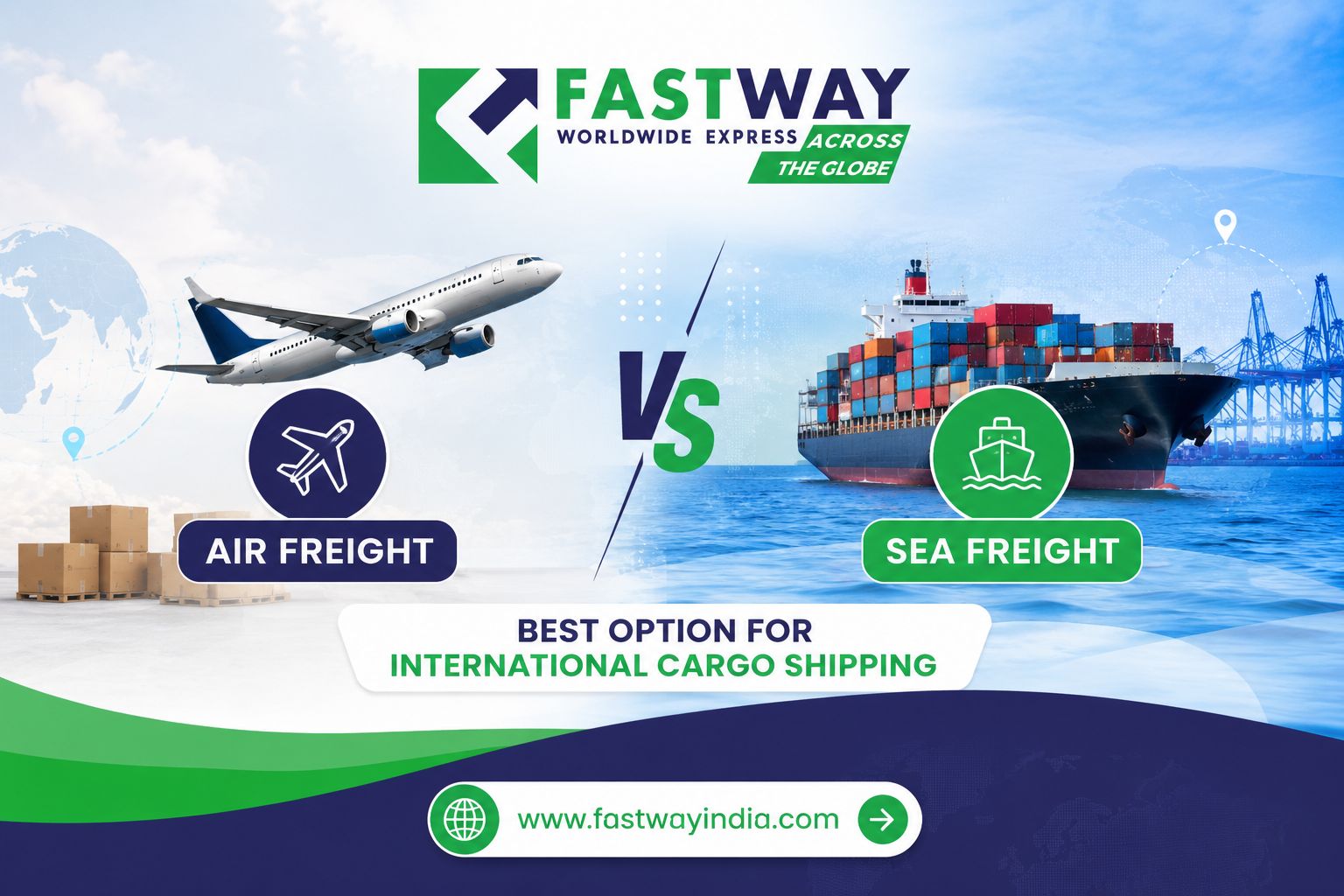
Air and sea freight have different pros and cons based on shipment volume and urgency and regulatory restrictions.
| Feature | Air Freight (IATA DGR) | Sea Freight (IMDG Code) |
| Best For | Time-sensitive, high-value, or small-volume cargo. | Large-scale, bulk shipments, and industrial chemicals. |
| Capacity | Stricter quantity limitations apply. | Higher capacity for bulk hazardous goods. |
| Regulatory Fit | Optimized for urgent transit needs. | Ideal for materials restricted or prohibited in air transit. |
Sea freight is the only option that can provide the scale and safety parameters needed for heavy industrial chemicals and bulk shipping hazardous materials, even though air freight is fast. Before you book, always check your cargo volume against the safety limits of the mode you have selected.

How to Start the Dangerous Goods Shipping Process
Working with an experienced dangerous goods shipping service can help you avoid compliance risks, shipment delays, and safety concerns during international transport.
Here are the essential steps to ship safely and compliantly:
- Classify Your Cargo: Identify the correct hazard class by analyzing the Material Safety Data Sheet (SDS), verifying the UN number, and consulting manufacturer specifications.
- Select Compliant Packaging: Use UN-approved packaging specifically engineered to withstand the hazards associated with your cargo’s classification.
- Finalize Documentation: Check that all required declarations, packing lists, and transport documents are accurate to prevent customs delays or shipment rejection.
- Partner with Experts: Rely on the expertise of a professional dangerous goods shipping service to navigate complex regulatory requirements, oversee safe transport, and coordinate reliable logistics for your international shipments.
Expert Solutions for Dangerous Goods Logistics
When you’re transporting hazardous materials across international borders, you’re required to follow the rules, get your paperwork right, and pack things properly. From classification and labeling through customs clearance and final delivery, every step is critical to the safety of shipments.
Shipping hazardous materials for industrial, commercial, or specialized purposes can be complex, but a knowledgeable logistics partner can help simplify the process. Fastway Worldwide Express offers customers assistance in shipment coordination, documentation support, and international logistics support for regulated cargo transportation.
If companies ship dangerous goods using an international courier service, they should always check that their shipments are fully compliant with applicable transport regulations before dispatch.
FAQs
1. What are dangerous goods in shipping?
Dangerous goods means articles or substances that may present a risk to health, safety, property, or the environment when carried.
2. What documents are required for dangerous goods shipping?
Common documents are MSDS/SDS, Dangerous Goods Declaration, shipping bill, invoice, and transport waybill.
3. Why is UN-certified packaging important?
UN-certified packaging is designed to store hazardous materials safely during transport and in accordance with international regulations.
4. Can dangerous goods be shipped by air?
Yes, but shipments must be in accordance with IATA Dangerous Goods Regulations and quantity limitations.
5. Why should businesses use specialized logistics providers?
Compliance, documentation, packaging standards and safe international transportation procedures are handled by experienced providers.