In order for companies to deliver products quickly, control operational costs and maintain customer satisfaction, effective supply chain management is critical. With the growing global trade and e-commerce, companies are increasingly dependent on warehousing and distribution services for streamlining inventory management and improving delivery performance.
Did You Know? According to the Association for Supply Chain Management (ASCM), strategic warehousing helps businesses reduce transportation costs, improve inventory visibility, and respond more effectively to changes in market demand.
Modern warehousing is about more than just storage. Today’s logistics facilities allow for inventory control, order processing, packaging, shipment coordination, and faster regional distribution. Locating products closer to customers and transportation hubs can help businesses reduce delivery time and avoid supply chain disruptions.
Fastway Worldwide Express offers logistics coordination and shipment management solutions to customers to simplify supply chain operations and improve distribution efficiency.
Key Takeaways
- Warehousing allows for better inventory and delivery management.
- Strategic storage locations reduce transportation costs and transit time.
- Technology to improve warehouse accuracy and operational visibility.
- Flexible storage can accommodate seasonal and fluctuating business needs.
- Distribution services help businesses build greater supply chain resiliency.
Understanding Warehousing and Distribution Services
Warehousing and logistics services securely store goods and efficiently transfer them from suppliers to customers. Professional services help optimize inventory control and improve overall supply chain performance.
Key functions include:
- Inventory Storage and Management
- Processing of orders
- Packaging & labeling
- Shipment & distribution management
Why Warehousing Matters in Modern Supply Chains
Warehouses balance supply and demand by serving as centralized distribution points between manufacturers and customers.
This approach optimizes supply chains by:
- Cutting delivery delays & lowering transport costs
- Improving stock availability & simplifying inventory management
- Enhancing agility to respond quickly to changing customer demands
Faster Order Processing and Shipping
One of the biggest advantages of warehousing is faster order fulfillment.
Strategic Inventory Placement
Main benefits of holding products closer to the main customer markets, especially for e-commerce, retail, and international networks:
- Faster Fulfillment: Shortens delivery time significantly.
- Cost Efficiency: Reduces the high cost of last-mile transport.
- Customer Satisfaction: Faster, reliable deliveries increase retention.
Better Shipment Coordination
Centralized hubs help streamline backend operations, ensuring everything is accurate before orders leave the building.
- Streamlined Workflows: Organizes picking, packing, and outbound dispatch planning.
- Shipment Consolidation: Combines multiple orders to optimize cargo space and lower shipping rates.
- Error Reduction: Minimizes wrong items or missed deliveries through structured verification.
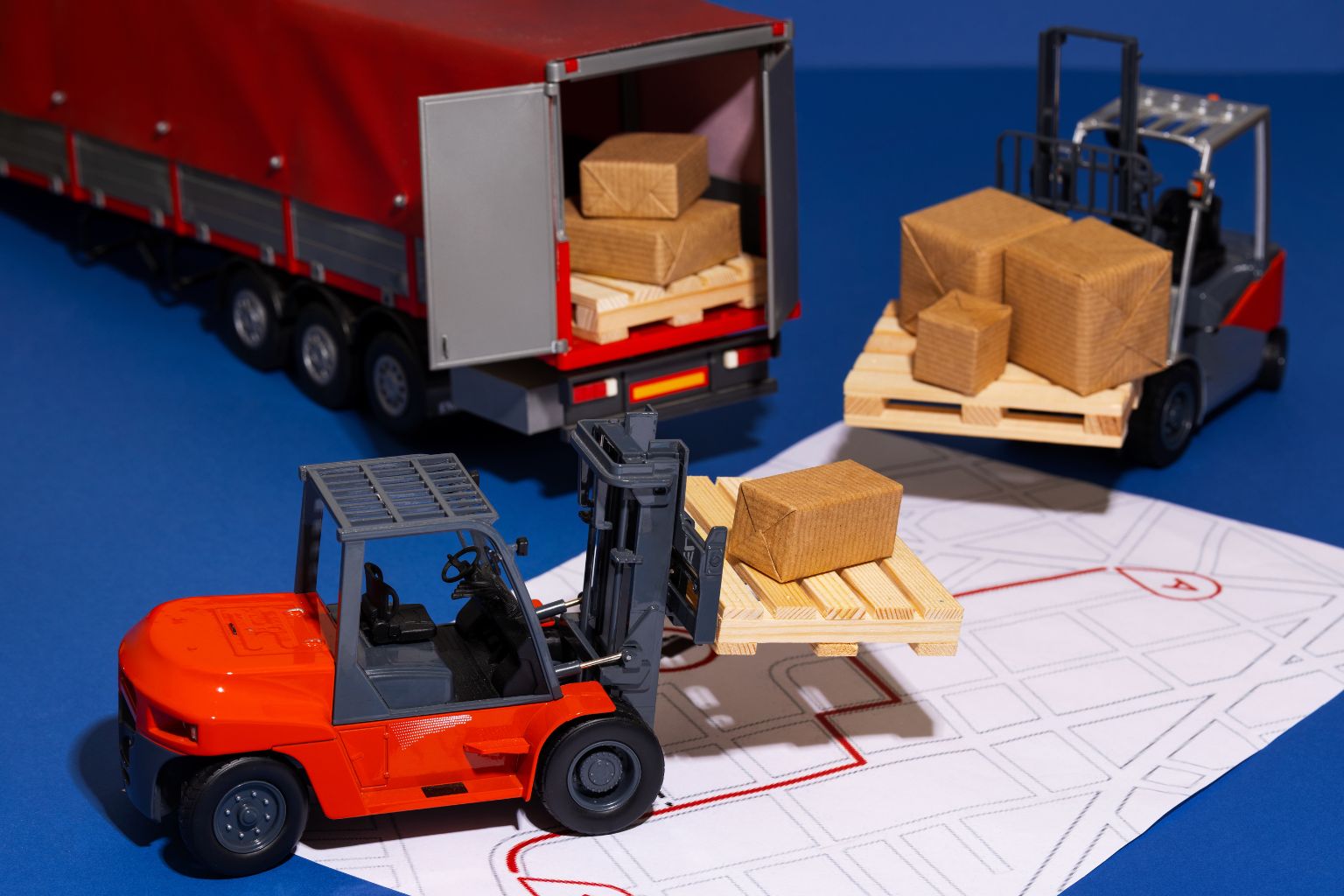
Reducing Transport Costs with Distribution Services
In a supply chain, transport is usually the biggest cost. Distribution services use two main efficiency strategies to counter these costs.
1. Shipment Consolidation
Warehouses are points of consolidation, where smaller individual shipments are consolidated into a larger cargo load moving in the same direction.
- Maximizes Capacity: Fills vehicles to their legal or physical limits, avoiding half-empty trucks.
- Trims Expenses: Spreads fixed travel costs across more inventory, lowering the cost-per-item shipped.
- Eco-Friendly: Directly reduces total trips, mileage, and fuel consumption.
2. Cross-Docking Operations
A cost-effective logistics process whereby freight is unloaded from an arriving truck and immediately loaded onto an outbound vehicle with no long-term storage.
| Feature | Standard Warehousing | Cross Docking |
| Storage Time | Weeks to months | Less than 24 hours |
| Handling Steps | Receive, Stage, Store, Pick, Ship | Receive, Sort, Ship |
| Primary Benefit | Buffer stock to absorb demand fluctuations | Maximum speed and minimal holding fees |
Consolidation cuts costs by fully exploiting the vehicle’s space, and cross-docking reduces costs by eliminating storage overhead and speeding up transit times.
The Role of Technology in Modern Warehousing
Digital tools and smart machines have transformed traditional storage locations into quick-fulfillment centers.
1. Warehouse Management Systems (WMS)
A WMS acts as the digital brain of the facility. It replaces manual paperwork with real-time data syncs across the supply chain.
- Tracking: Complete visibility of exact stock locations and batch counts.
- Accuracy: Automated validation reduces picking and shipping errors.
- Efficiency: Optimizes dynamic slotting (high-velocity items are positioned closest to dispatch lanes).
2. Automation and Smart Systems
Modern facilities use modular hardware solutions to improve processing speed and counter labor volatility:
- Identification: Barcode scanning and RFID tags verify items instantly at every touchpoint.
- Movement: Automated Guided Vehicles (AGVs) and Autonomous Mobile Robots (AMRs) route cargo safely alongside workers.
- Storage: Automated Storage and Retrieval Systems (AS/RS) use vertical space (up to 20+ meters high) to maximize pallet density.
The Impact: Smart technology reduces localized fulfillment costs by 20% to 35% on average and speeds up overall order processing. This tech-driven model is crucial for modern logistics services in India, where the rapid growth of e-commerce requires maximum supply chain agility.
Adaptable Storage to Meet Evolving Business Needs
The fixed cost of real estate can easily eat up capital when the market demand changes. Businesses pay only for the footprint they actually need with third-party flexible storage.
Dynamic Scaling
- Seasonal Agility: Increase pallet counts easily for holiday peaks, large sales windows, or high-demand cycles, then scale back down to reduce overhead during slow months.
- Asset-Light Operations: No need to buy, build, or lease permanent private facilities that sit half-empty during off-seasons.
Capital Conservation
Outsourcing to third-party providers provides growing businesses and exporters instant access to institutional-grade infrastructure without upfront real estate investments.
| Operational Model | Capital Expense (CapEx) | Operational Expense (OpEx) | Risk Profile |
| Private Facility | High (Land, building, tech) | Fixed (Staff, utilities, maintenance) | High (Locked into long-term liabilities) |
| Flexible 3P Storage | Zero | Variable (Pay-per-pallet or square foot) | Low (Easily scale or pivot locations) |
The Takeaway: Shifting from fixed warehouse leases to variable third-party storage protects cash flow and lets businesses redirect capital toward product development and marketing.
Value-Added Warehousing Services
Contemporary hubs have on-site processing to prepare the goods for sale immediately, eliminating other transportation steps.
Key Functions at Site:
- Kitting & Assembly: Assembling individual products into retail-ready kits.
- Labeling & Repacking: Applying barcodes, price tags, or regional compliance labels.
- Quality Inspections: Screening for defects before inventory is stored or dispatched.
- Shipment Prep: Custom palletization, wrapping, and boxing to meet carrier rules.
The Impact: Managing these tasks together reduces order readiness time and lowers supply chain touchpoints. Leading warehousing services in India now adopt this integrated approach to support high-velocity e-commerce and retail networks.

Warehousing Helps Build Supply Chain Resilience
Warehousing is an operational insurance policy against supply chain shocks like transport delays, material shortages, and extreme weather.
- Inventory Buffering: Safety stock avoids stockouts and lost revenue from supplier delays.
- Decentralized Risk: Regional hubs allow inventory to be distributed, eliminating single points of failure. If one hub goes down, others continue shipping.
- Localized Speed: Storing goods closer to important markets enables fast, uninterrupted deliveries even during trunk-line transit disruptions.
| Strategy | Risk Level | Delivery Speed | Market Coverage |
| Single Mega-Hub | High | Slower to distant regions | Centralized |
| Regional Network | Low | Fast across all markets | Distributed |
Choosing Your Warehousing & Distribution Partner
Opting for the right logistics partner helps solve common supply chain pain points and leverages maximum operational efficiency.
Outsourcing to professional warehousing & distribution services means no operational friction but tight inventory control and streamlined distribution management
| What to Look For | Solved Challenges |
| Advanced WMS Tech | Blind spots in stock visibility and inventory shortages |
| Flexible Storage Options | Wasted capital on unused space during off-peak seasons |
| Integrated Shipment Coordination | High transportation costs and delayed deliveries |
| Secure Facilities & Clear Processes | Inefficient order processing and shipping errors |
Improve Supply Chain Efficiency with Smarter Logistics Support
Modern supply chains require more than transportation. Good inventory control, proper warehousing, and an organized distribution system all help businesses run better and provide better service to customers.
Whether it’s supporting e-commerce operations or retail distribution or international trade, warehousing is a crucial component in the improvement of logistics efficiency. Fastway Worldwide Express provides solutions for logistics coordination and support of the supply chain for customers to ease the movement of cargo and improve operational reliability.
Those who invest in organized warehousing and distribution strategies are often rewarded with improved ability to respond to market changes, reduced delivery delays, and overall improvements in supply chain performance.
FAQs
1. What are warehousing and distribution services?
This includes safe storage of products and managing their movement from warehouses to customers or retailers.
2. How do warehouses improve supply chain efficiency?
Warehouses reduce transit times, improve inventory control, and help meet faster order fulfillment.
3. What is cross-docking in logistics?
Cross-docking is a logistics process in which incoming goods are transferred directly to outbound transportation with little or no storage time.
4. Why is warehouse technology important?
Technology helps improve inventory accuracy, shipment tracking and overall operational efficiency
5. Can warehousing services help growing businesses?
Yes, companies can scale operations without a giant investment in infrastructure because of flexible storage and logistics support.