Shipping worldwide is now a necessity for businesses, exporters, students, and people sending goods abroad. Choosing the suitable shipping method could directly influence the delivery time, transportation cost, and shipment safety. If you’re shipping commercial cargo, household goods, or business inventory, knowing the difference between air and sea freight can help you make better logistics decisions.
Did You Know? According to the International Air Transport Association (IATA), air cargo carries more than 35% of global trade value despite accounting for a much smaller share of cargo volume, highlighting its importance for time-sensitive and high-value goods.
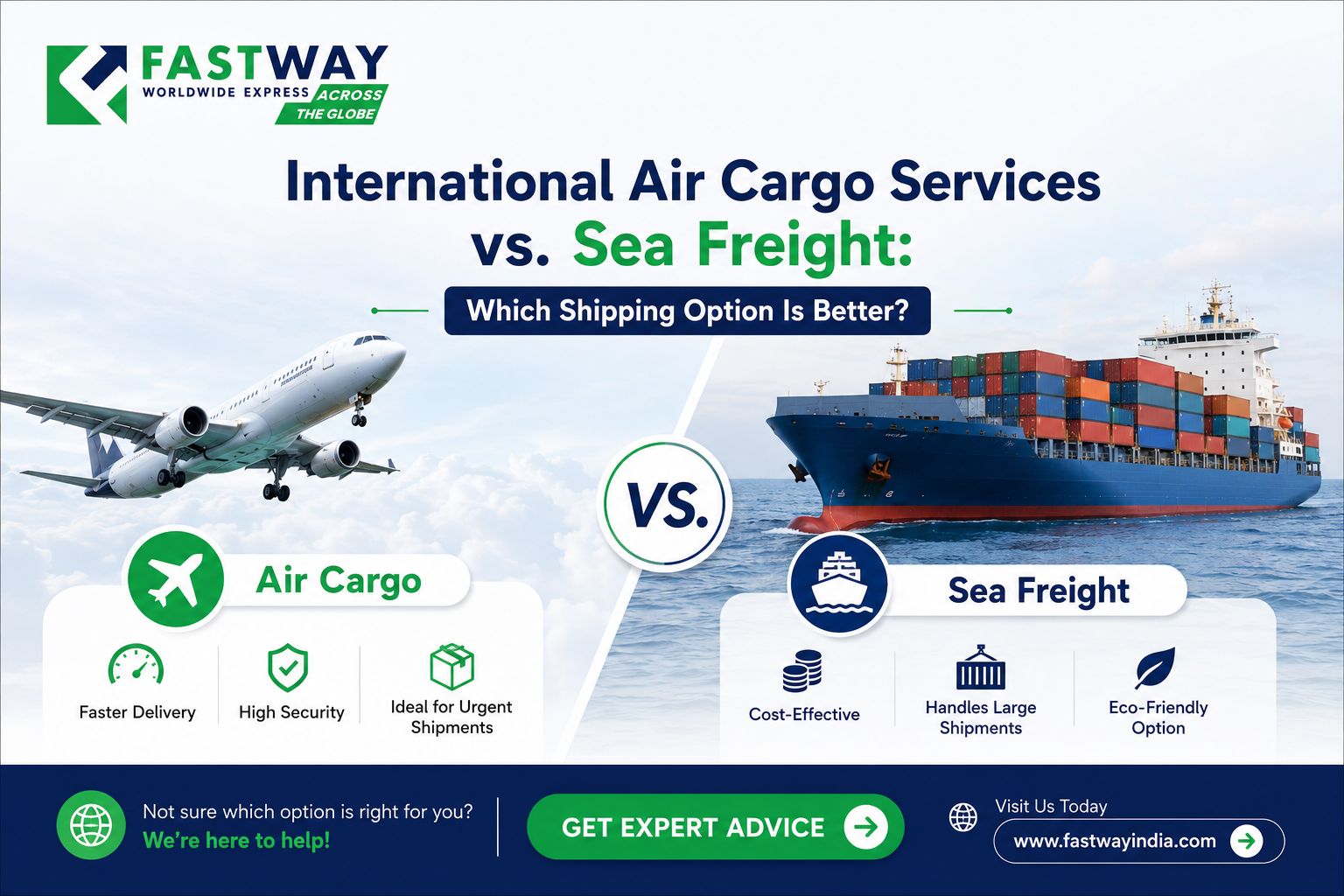
For companies and individuals that use international air cargo services, choosing the right mode of transport depends on several factors, including urgency, size of cargo, destination, and budget. Air cargo is fast and reliable, but sea freight is better for bulk shipments and cost effectiveness.
Fastway Worldwide Express provides customers with simplified international logistics solutions that streamline the documentation, shipment coordination, and global delivery processes.
Key Takeaways
- Air Cargo Ideal for urgent and high-value shipments.
- Sea transportation is more economical for heavy and bulky cargo.
- The shipping cost varies according to weight, volume, and transit mode.
- Proper documentation avoids customs delays.
- Selecting the best logistics partner will increase shipping efficiency.
Air Freight vs. Sea Freight
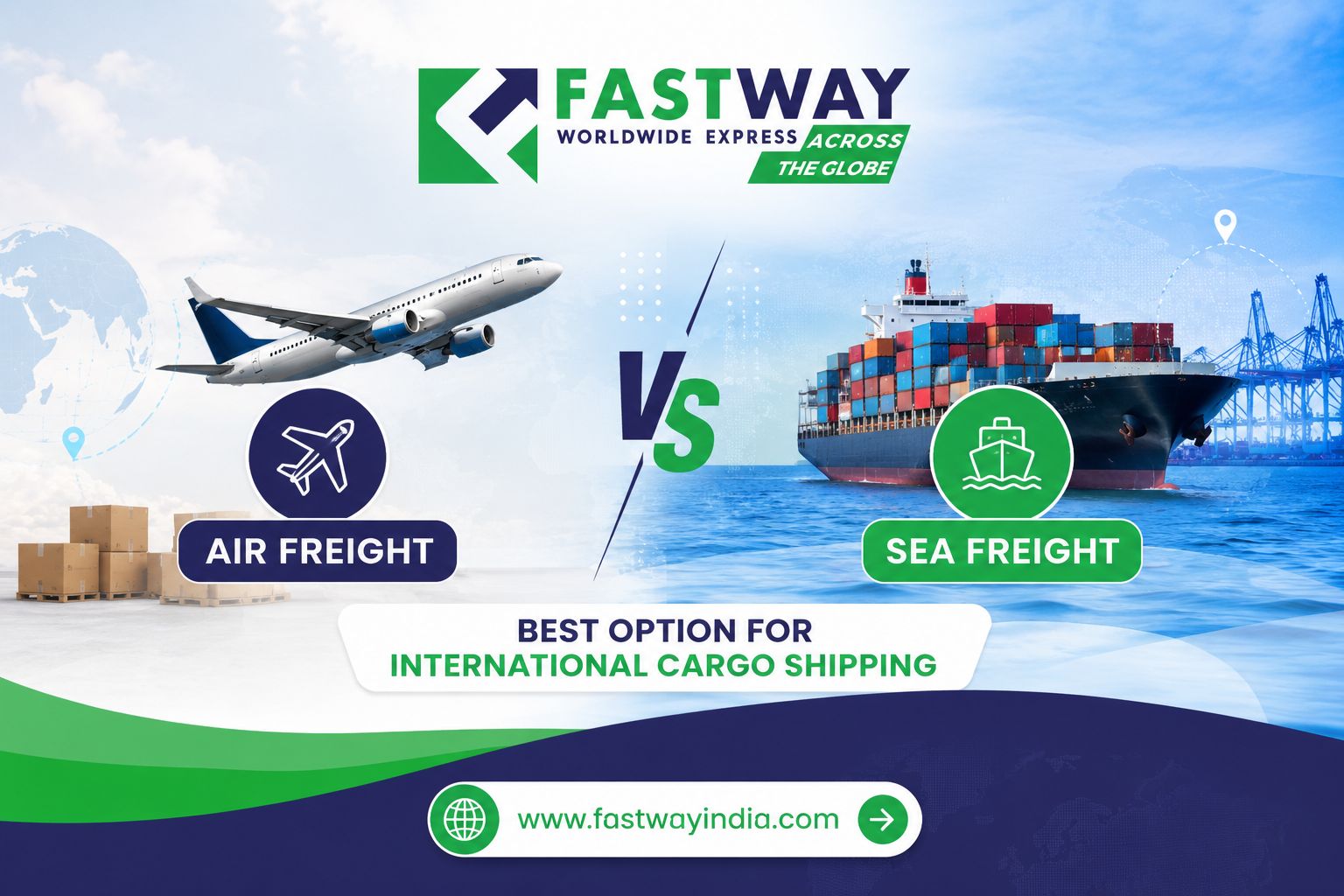
Both air and sea freight are enablers of global trade, but they serve different logistics needs. The right choice ultimately involves balancing speed, cost, and capacity. Here is a direct comparison of the core differences to help you find the best solution for your next shipment.
| Feature | Air Cargo | Sea Freight |
| Transit Time | Rapid (3–7 Days) | Extended (20–45 Days) |
| Shipping Cost | Premium pricing | Highly economical |
| Best For | Urgent, perishable & high-value goods | Heavy, oversized & bulk cargo |
| Cargo Capacity | Restricted by weight & volume | Virtually unlimited (FCL/LCL options) |
| Pricing Basis | Chargeable weight (Gross vs. Volumetric) | Container volume (CBM / Per Container) |
| Environmental Impact | Higher carbon footprint | Lower emissions per ton-mile |
When International Air Cargo Services Is the Better Choice
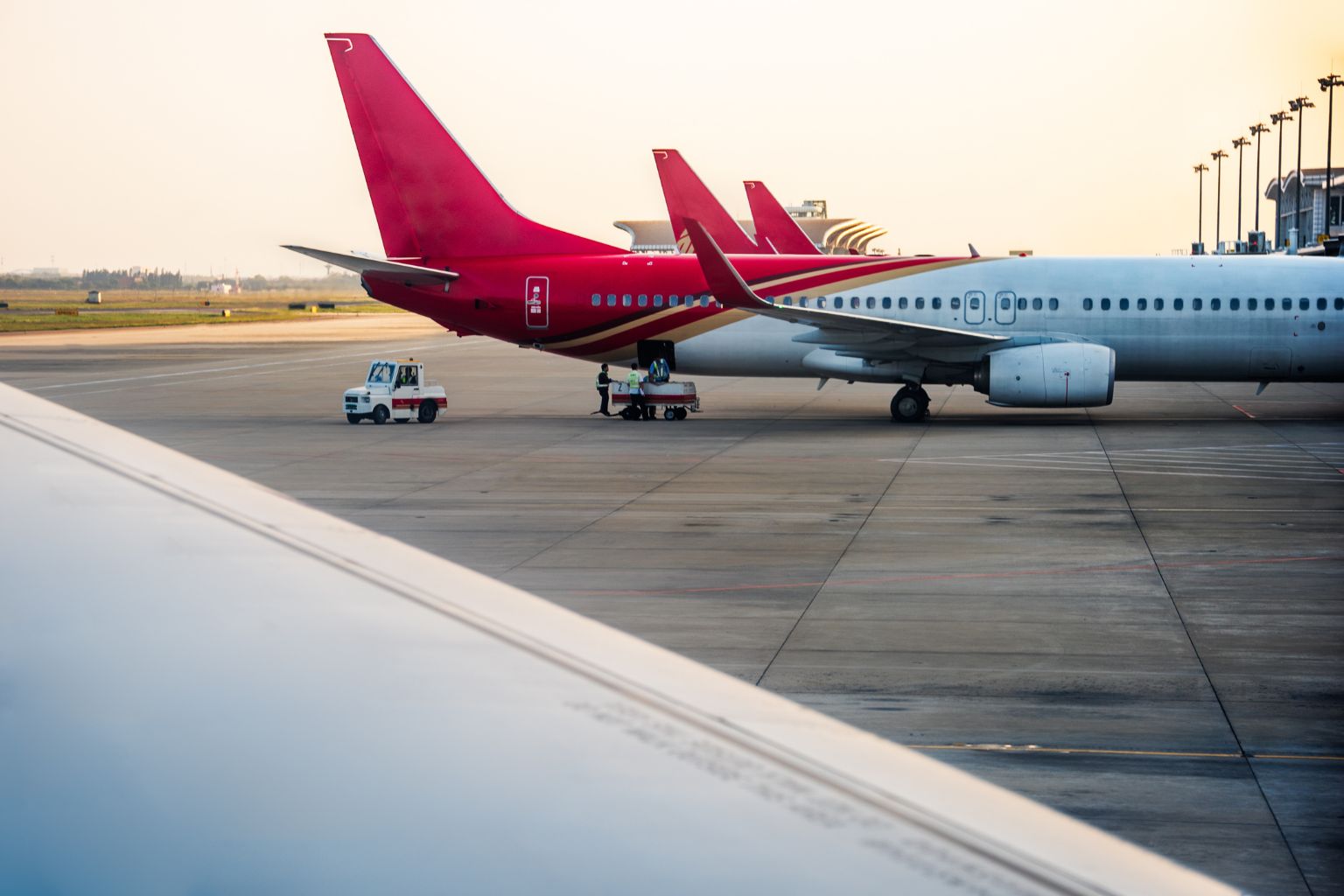
Air freight is the gold standard for speed, security, and predictability. Air cargo services are the preferred mode of transport for high-value shipments, time-sensitive logistics, and industries that depend on fast international movement, including electronics, pharmaceuticals, medical supplies, and luxury goods.
Ideal Situations for Air Cargo
- Time-Sensitive Deliveries: Perishable goods, tight retail windows, or time-critical parts.
- High-Value Assets: Premium electronics, jewelry, and luxury retail requiring maximum security.
- Just-In-Time Supply Chains: Emergency inventory replenishment to avoid factory downtime or stockouts.
- Lightweight Commercial Goods: Shipments where the speed of capital turnover outweighs premium transit costs.
Advantages of Air Freight
Faster Transit Time
Air cargo significantly reduces delivery timelines, making it ideal for urgent shipments.
Better Shipment Security
Airports follow strict cargo handling and screening procedures, reducing the risk of theft or damage.
Reliable Scheduling
Flights generally operate on fixed schedules, helping businesses maintain predictable delivery timelines.
Reduced Warehousing Costs
Faster transit can help businesses reduce inventory storage requirements and improve supply chain efficiency.
When Sea Freight Is More Practical
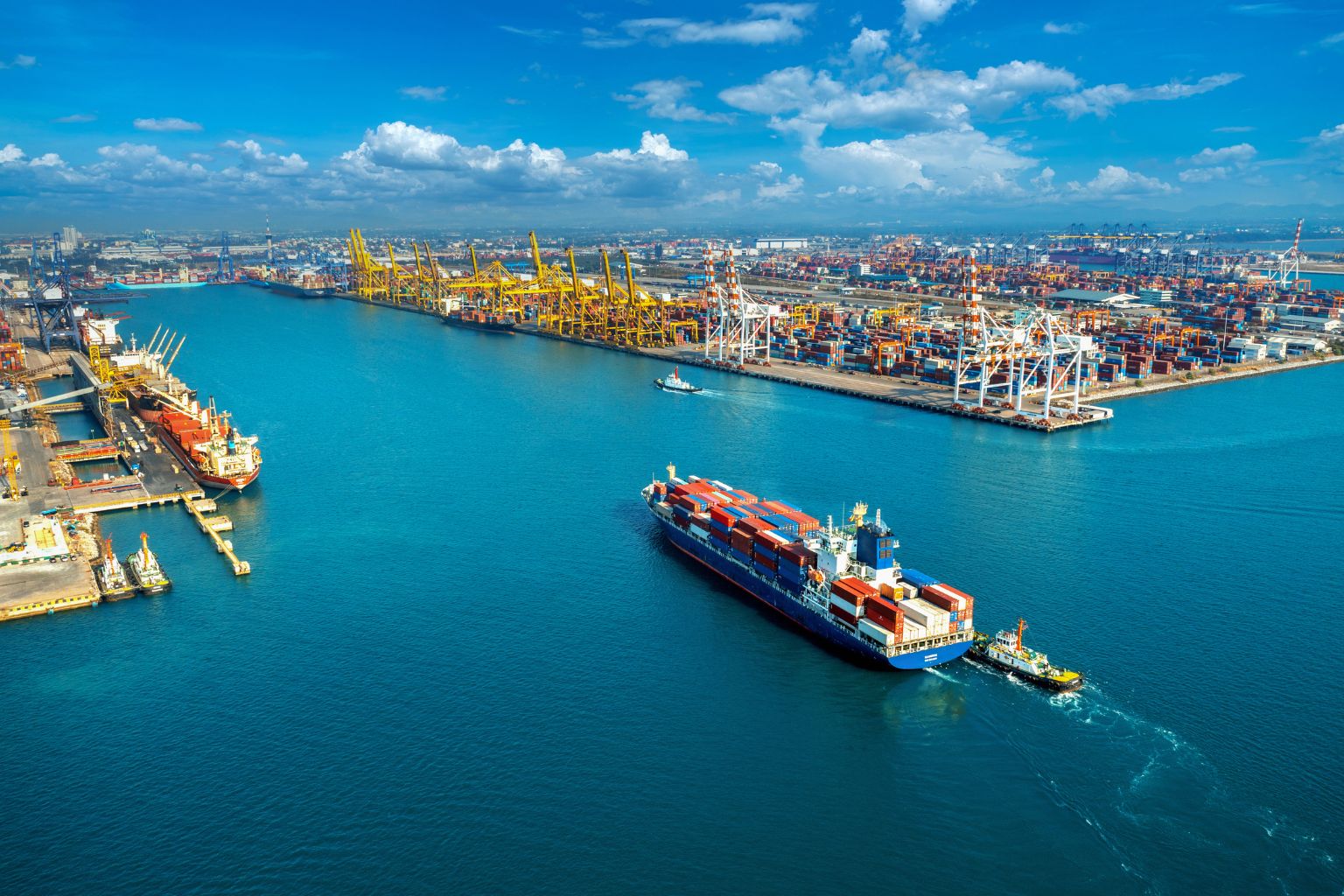
Sea freight is the backbone of global trade and is a popular choice for large-volume logistics where cost-efficiency takes priority over speed of transit. It’s the choice for transporting industrial freight, heavy equipment, consumer goods, and oversized manufacturing products from continent to continent.
Best-Case Scenarios for Sea Freight
- Oversized or Heavy Cargo: Freight exceeding the aircraft’s weight restrictions or physical dimensions.
- Bulk Commodities: Mass raw materials, automotive parts, and large commercial inventories.
- Flexible Timelines: Non-urgent distribution schedules where inventory can sit in transit.
- Cost-Critical Shipments: High-volume cargo where minimizing freight spend per unit is essential.
Choosing Between FCL and LCL Shipping
There are two primary shipping configurations for sea logistics, depending on your total volume of cargo:
- Full Container Load (FCL): The shipper has sole use of a complete 20- or 40-foot ocean container. This is ideal for high-volume shipments, as it reduces handling, lowers the risk of damage, and gives you faster port-to-port transit times.
- Less than Container Load (LCL): Several shippers share space in one consolidated container. This method is extremely cost-effective for smaller volumes, as companies are only paying for the exact cubic space (CBM) their cargo occupies.
Evaluating Cost Against Delivery Timelines
The decision to ship by air or ocean is mainly a cost and transit time consideration.
1. How Much It Costs
- Air Freight (Premium Pricing): Based on chargeable weight (greater of actual weight or volumetric size). Air freight is expensive due to limited capacity in aircraft, so it is generally reserved for high-value or urgent items.
- Sea Freight (Budget-Friendly): Charged by cargo volume (CBM) or container size. This method offers massive cost savings for heavy, bulky, or high-volume industrial shipments.
2. The Transit Timeline
| Shipping Mode | Estimated Transit Time | Best For |
| Air Freight | 3–7 business days | Strict deadlines & fast turnaround |
| Sea Freight | 20–45 business days | Flexible timelines & maximum cost savings |
Essential Checklist for Hassle-Free International Shipping
Flawless execution of compliance, packaging, and partner selection is a prerequisite for successful global transit.
1. Mandatory Shipping Documentation
Inaccurate paperwork causes costly customs delays. Every international shipment requires:
- Commercial Invoice & Packing List: Detailing cargo valuation, contents, and specifications.
- Air Waybill (AWB) or Bill of Lading (B/L): The official contract of carriage for air or sea, respectively.
- KYC & Import Export Code (IEC): Essential compliance credentials for business customs clearance.
2. Transit Packaging Best Practices
Protect your cargo against damage over long international distances with proper preparation:
- Utilize heavy-duty, durable outer cartons and secure industrial seals.
- Apply moisture barriers and adequate cushioning for fragile goods.
- Clear, compliant, and visible destination signage.
3. Selecting the Right Logistics Partner
Customs and routes vary widely around the world and pose many challenges. Select a provider with experience that provides:
- End-to-end shipment tracking and transparent, all-inclusive pricing.
- Proactive customs coordination and documentation support.
- Proven expertise handling both high-volume commercial exports and specialized overseas courier services.
What to Know Before Choosing a Shipping Method
You will have to carefully weigh your shipment needs to decide whether to ship by air or by sea.
Shipment Urgency
Urgent deliveries are usually carried out by air.
Cargo Weight and Volume
Sea freight is often more economical for large and heavy shipments.
Budget
Air freight is faster but pricier, while sea freight helps reduce transportation costs.
Product Type
Air shipping is generally better suited for fragile, high-value, or perishable products.
Destination Route
Transit availability and customs processes may differ depending on the country of destination.
Fastway Demystifies Global Shipping and Enables You to Make Plans
Choosing the appropriate shipping method and logistics partner is essential for smooth and efficient international shipping. Air freight is best for urgent and high-value shipments, while sea freight is a cost-effective option for heavy and bulk cargo. When choosing the right mode of transport, businesses that use international cargo services should consider the size of the shipment, timelines, and budget.
Whether you are managing commercial exports, using courier services from India to the USA, or arranging a personal courier service for overseas deliveries, reliable logistics support can simplify documentation, customs coordination, tracking, and shipment management. Fastway Worldwide Express helps customers with their logistics support and end-to-end coordination to simplify their international shipping. Arrange your shipment and select the shipping solution that best fits your delivery needs.
FAQs
1. Which is cheaper: air freight or sea freight?
Sea freight is usually more economical, especially for bulky and heavy cargo.
2. How fast is international air cargo delivery?
Air cargo shipments typically arrive in 3 to 7 business days, depending on the destination.
3. What are FCL and LCL in sea freight?
FCL is the Full Container Load, and LCL is the Less than Container Load shared shipping.
4. Which shipping method is better for fragile items?
Fragile or valuable items are often sent by air since transit is quicker and there is less handling.
5. Do both air and sea freight require customs clearance?
Yes, both methods of shipping require customs documentation and clearance procedures.